
1996
Practising without interruption
5,0
62 Google reviews
04
Areas of specialisation
24h
Assistance for detainees
About the firm
Soler Martín Abogados: your criminal defence in Alicante
Since 1996, our work has gone far beyond providing a routine legal service. We understand that facing criminal proceedings creates deep uncertainty, because your peace of mind, your family and your future are at stake.
That is why we combine the utmost technical rigour in court with a human, transparent and direct approach. We analyse every detail of your case in order to design the soundest procedural strategy, making sure that your rights and your presumption of innocence are protected at all times.
Get to know the firm →
José Soler Martín · Lawyer
«We believe in and defend our clients' presumption of innocence.»
Almost three decades of continuous practice before the courts of Alicante and the Audiencia Nacional (National High Court), devoted exclusively to criminal law and its related fields.
More about José Soler Martín→Services
Commitment, responsibility and professionalism
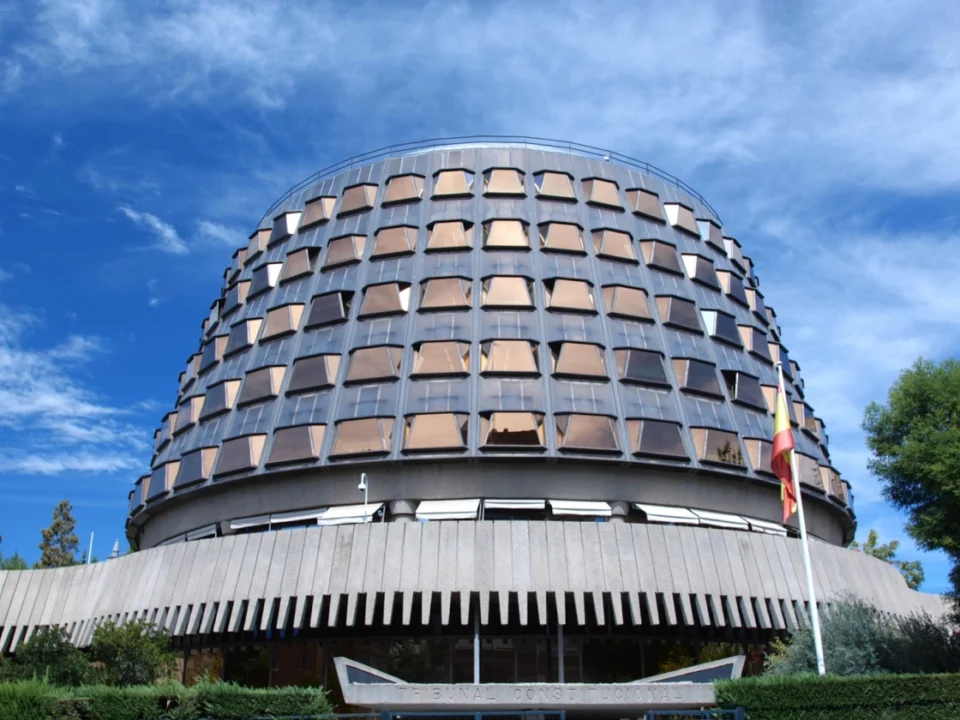 01Criminal lawStrategic, thoroughly prepared defence. We act with technical strength in court to protect your freedom and your presumption of innocence.Read more →
 02Immigration lawWe unblock your situation in Spain. Swift, rigorous handling of arraigo (residence by roots), nationality and residence permits, without losing time.Read more →
 03ComplianceLegal protection for your company. We design crime-prevention programmes to protect your assets, your board of directors and your corporate reputation.Read more →
 04Prison lawDefence of the rights of people in prison. Strategic handling of release permits, progression to tercer grado (open regime) and applications for parole.Read more →
Verified reviews
What our clients say
5,0
62 Google reviews


On video
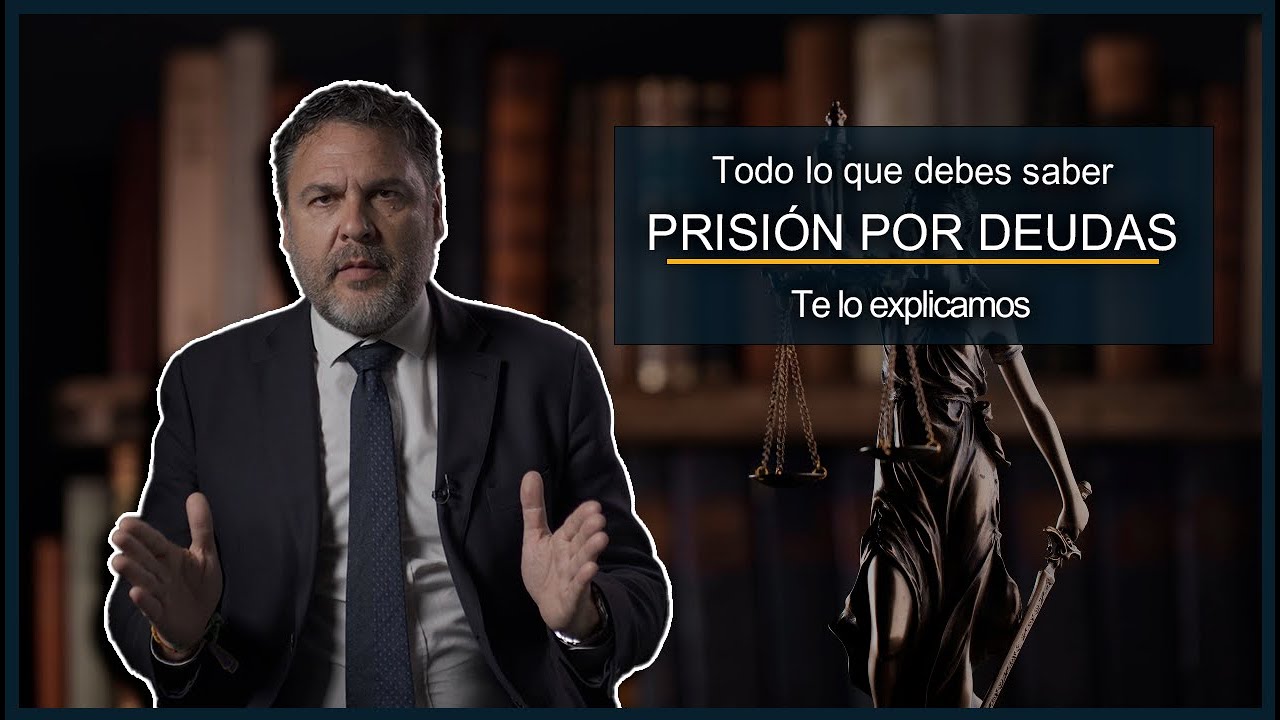
Prison for debt: what the law actually says
José Soler Martín explains why a civil debt does not in itself lead to prison in Spain, and in which specific situations —non-payment of maintenance, fraudulent removal of assets or punishable insolvency— the matter does move into the criminal sphere.
 ▶
▶Criminal practice areas
Criminal law specialists in Alicante
We act in all types of criminal proceedings, with a defence built on a deep knowledge of the case law and of the local courts.
Offences against the person (homicide, bodily harm…)
Homicide, murder and bodily harm are set out in articles 138 et seq. and 147 et seq. of the Código Penal (Spanish Criminal Code), and the sentencing range varies decisively depending on circumstances such as alevosía (treachery), ensañamiento (aggravated cruelty), a mutually accepted fight or self-defence. The defence is built on the evidence: the forensic report, the chain of custody, conflicting witness statements and a chronological reconstruction of the facts. We also examine the circumstances that modify criminal liability and that can completely change the outcome of the proceedings.
Sexual offences
A restrained and strictly technical approach. The defence focuses on procedural safeguards: the validity and chain of custody of the evidence, analysis of the testimony against the criteria required by the case law of the Tribunal Supremo (Spanish Supreme Court) —persistence in the accusation, plausibility and absence of ulterior motives— and respect for the presumption of innocence at every stage. No case is ever discussed publicly and no one involved is identified.
Offences against property and the socio-economic order
Robbery, theft, fraud, misappropriation, breach of trust in company management, fraudulent removal of assets, punishable insolvency and money laundering. In these proceedings the evidence is above all documentary and expert: contracts, bank movements, accounts and the traceability of the funds. The defence is usually decided on two fronts: the line between a mere civil breach and the criminal offence, and the amount defrauded, which determines the applicable sentencing range.
Other offences and urgent proceedings
Road safety and drink-driving, offences against honour, offences against public health, juicios rápidos (fast-track trials), restraining orders and 24-hour assistance for detainees. In fast-track trials the deadlines are especially short and a plea agreement may be put forward on the very day of the hearing: that is why it is best to have a trusted lawyer before that hearing, not during it.
Frequently asked questions
Clear answers for urgent decisions
What should I do if I am summoned to give evidence or a relative is arrested?
First of all: do not make a statement without a lawyer. Article 520 of the Ley de Enjuiciamiento Criminal (Spanish Criminal Procedure Act) gives every person under arrest the right to remain silent, not to incriminate themselves, to appoint a lawyer and to be assisted by that lawyer without unjustified delay, as well as the right to an interpreter, to a forensic medical examination and to have the arrest notified to a relative. The lawyer may meet privately with the person under arrest before they give a statement to the police or the court. Police custody may not last longer than strictly necessary and, in any event, within a maximum of 72 hours the person must be released or brought before a judge. If the arrest takes place in Alicante, you can call 649 88 63 63 24 hours a day: we attend the police station from the very first moment.
Why choose a firm that works only in criminal law?
Because criminal proceedings are full of strict time limits: evidence, an appeal or a plea of nullity that is not requested at the right moment usually cannot be requested later. Working exclusively in this field means knowing the case law applicable to each type of offence and how the investigating and criminal courts of Alicante and the Audiencia Provincial (Provincial Court) really work — we have practised there since 1996. At Soler Martín Abogados we do not handle divorces or inheritance matters: only criminal law and its related fields —immigration, compliance and prison law—.
What is the first meeting like?
A meeting, in person or by video call, covered by legal professional privilege, which binds the lawyer whether or not you go on to instruct us. We listen to the facts, review the available documents —police report, complaint, summons or court order— and carry out a case viability analysis: what stage the proceedings are at, which deadlines are running and what defence options exist. From there we set out in writing the procedural strategy, the scope of our work and the fee estimate.
How are criminal defence fees calculated?
They depend on three factors: the complexity of the proceedings, the stage they are at —investigation, trial, appeal or enforcement of sentence— and the foreseeable workload. A written fee estimate is always given before we take on the defence, setting out what each stage includes so that no unexpected charges arise. It is also worth knowing that article 520 LECrim itself gives the person under arrest the right to apply for legal aid if they meet the financial requirements laid down by law.
What happens to my immigration papers if I have a criminal case?
This is the point that complicates most cases, and it is why we work on both matters together. Article 57.2 of Ley Orgánica 4/2000 provides for the expulsion of a foreign national convicted of intentional conduct that constitutes an offence in Spain punishable by more than one year's imprisonment, unless the criminal record has been expunged. For long-term residents, the authorities must also weigh the length of residence in Spain, the ties created, the person's age and the consequences for them and their family. The practical conclusion is clear: the criminal and the immigration strategy cannot be designed separately.
Do you act once the conviction is final?
Yes. The enforcement of a sentence has its own defence work: classification and progression of prison regime, release permits, appeals before the Juez de Vigilancia Penitenciaria (prison supervision judge) and parole. As a general rule, article 90 of the Código Penal requires, for ordinary parole, that the person be classified in tercer grado (open regime), have served three quarters of the sentence imposed and have shown good conduct; from there the court assesses the personality of the convicted person, their record, the circumstances of the offence and their conduct while serving the sentence. There are also earlier options at two thirds and, for first-time offenders with sentences of up to three years, at half. Each case requires an individual study of the prison file.
Latest news
Recent developments


Time is critical in your criminal defence
Tell us about your case in complete confidence. We will analyse the facts with technical rigour and set out the soundest legal strategy to protect your rights in Alicante.
Office: 966 08 80 15 · Carrer Carratalà, 12 · 03007 Alicante

Criminal defence lawyers in Alicante since 1996. Criminal law, immigration, compliance and prison law.
Office
Carrer Carratalà, 12
03007 Alicante
Get directions
Contact
649 88 63 63 · 24h emergencies
WhatsApp 649 88 63 63
966 08 80 15 · office


